The subject of this post is a bit different from anything I’ve written about previously. It’s not a pleasant subject, and it’s rather personal, but since I’m far from alone in my affliction, I see no reason why it should be secret.
I write this as I am just emerging from an episode of depression: intense sadness and rumination, anxiety, lack of energy, and all the accompanying misery.
It’s not my first bout. I couldn’t even tell you what number it is; there have been many in my forty-eight years of life, and it would be a pretty safe bet to say it won’t be my last.
But this has been one of my more memorable episodes, both in its intensity and swiftness. This episode came seemingly out of nowhere, without any apparent trigger, after an extended period of time largely free of depression and anxiety—and free of the SSRI antidepressant I’ve taken periodically over the past fifteen years to help me function.
SSRIs are getting a lot of negative attention these days, and for good reason. More and more stories are coming out about those who have been seriously harmed by SSRIs, their side-effects, and most especially withdrawal symptoms when stopping, even after the “careful” standard tapering of a few weeks that doctors typically recommend. For some unfortunate individuals who are especially sensitive, particularly those who have taken an SSRI for an extended period, even several months may not be enough to avoid devastating illness from withdrawal.
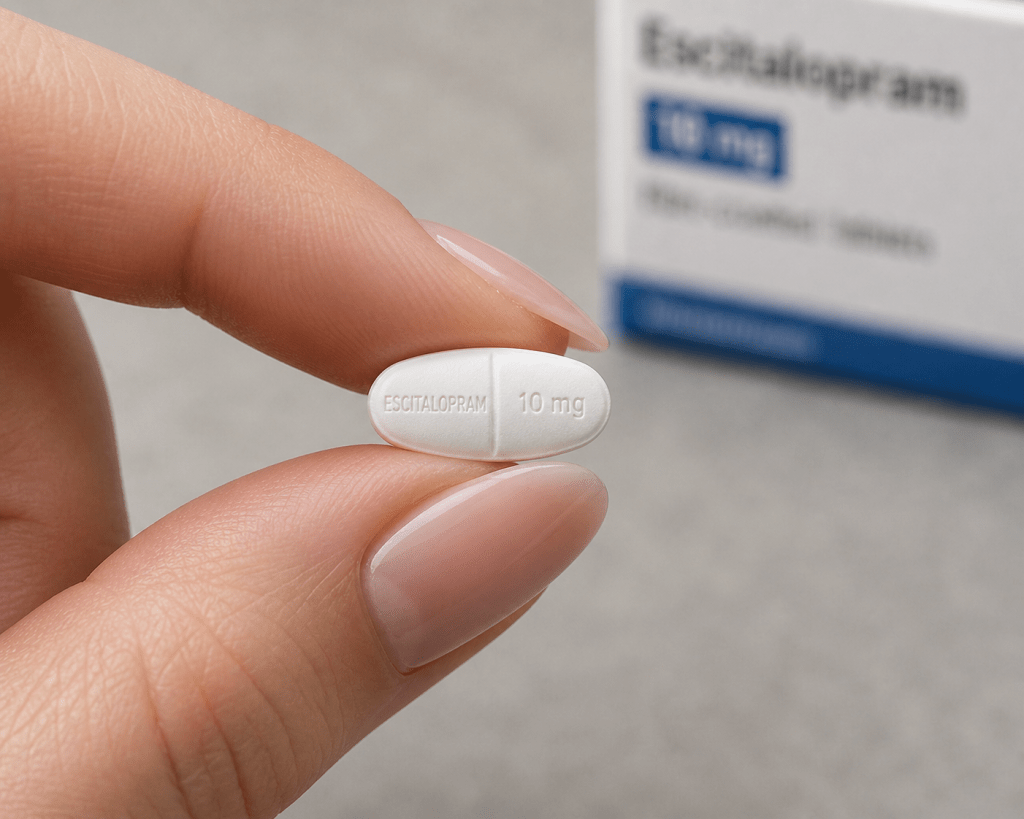
In all my years of going on and off SSRIs, probably around a dozen times (first Citalopram, and then Escitalopram), I never received any concrete guidance from medical personnel on how to actually do it. Somewhere around a six-week taper seemed reasonable to me; I’ve never been on an SSRI for more than 18 months, and usually for under a year. I’ve also never taken anything higher than the lowest therapeutic dose. My withdrawal symptoms have always been the same: a bit of dizziness and shakiness for the last week or two of the taper. That’s about it. I’ve been incredibly lucky.
Some people have had their lives severely impacted by SSRIs. For many others, the many side-effects outweigh marginal benefit. For those like me, the SSRI’s positive effect outweighs the side-effects, at least for a time.
I am aware of risks connected to long-term use, both in terms of neurological changes, impact on organs, and of course the question of dependency. Also, especially scary in my case, was a fainting episode a few years ago while on Citalopram, where an EKG indicated that I possibly had Long QT Syndrome (two doctors disagreed on whether I did; it was a borderline case), a potentially dangerous heart arrhythmia—and, as I then learned, a known side-effect of Citalopram.
Because of the risk, I stopped taking Citalopram and was intent on really pulling myself up by the bootstraps mentally, because I no longer viewed medication as an option.
Within six months I was barely functional, in my deepest depression ever. Heart risk be damned, I went back on medication, this time Escitalopram, which, according to my research, (hopefully) carries a somewhat lower risk for Long QT. I stayed on it for about a year, recovered fully, and then decided it was the right time to taper.
And then I had two of the best years of my life. I’d always been physically active and a runner, but I took my training to a whole new level. I made resistance training my main priority, which also improved my running. I got into the best shape of my life, and my mental health followed suit.
I was well aware that exercise outperforms SSRIs in scientific studies. But even though I had always exercised, I had never previously managed longer than around a year without meds since trying them for the first time in 2011. Well into my second year medication free and feeling very well, I wondered: Was it because I was training at a higher level than I ever had before?
Over the years, I had already tried everything to avoid taking medication: talk therapy, EMDR, hypnosis, transcranial direct current stimulation. I supplemented with things like writing, meditation, whole foods, fermented foods, and vitamins.
High-level training outperformed them all. I was beginning to think that I had cracked the code.
Until this past spring.
Then it was the same old “black dog,” as Winston Churchill dubbed his own depression. And yet it was different, as each episode is. I turned to the one thing, the only thing, at least for me, that has ever worked: the SSRI. But, as those who have taken an SSRI know, even for those it helps, things often get worse before they get better. And that’s where the other vital component to my recovery comes in.
My mother.
Mom has been with me from the very first episode, before we even knew to call it an episode. Now we live an ocean away from each other, but she is in no way less by my side.
When I am in the depths of despair, not even she can pull me out far enough so I can climb all the way out and stay there. Only the SSRI can eventually do that. But she props me up just high enough, for weeks at a time, so that I can at least access glimpses of stability and normality before the meds actually restore it. And I don’t believe that even the meds could restore it to the degree that they do if it weren’t for her support. She is my coach, my shrink, and my best friend. All the money in the world could not buy the service she provides me with.
A natural-born talent, Mom needs no university degree to intuitively understand the how and why of emotion and psychic pain, to draw from parallels in life and apply them to my situation, and to always honour my path in life, without judgment, and with a simple, humble, and sincere desire to understand and help. Maybe it’s because she doesn’t have that degree that she can see me and others as individuals and not simply another case of mental illness.
As a part of the public healthcare system in Norway, because I’ve never (yet) been suicidal or psychotic, I’ve never seen a psychiatrist. I saw a psychologist for nine years. I had a vulnerability to anxiety and depression, she told me. You don’t say.
After rehashing my life story over and over, and waiting for a breakthrough that never seemed to come, I finally threw in the towel on therapy and found that I actually got more out of podcasts and mental illness memoirs (my favourite genre). The stories of others have helped me feel less alone (and less crazy). And that’s why I feel no shame in sharing mine.
Currently, I have a GP who administers the standard checklist to officially diagnose my depression for the record and prescribe the medication that I request after doing the research myself. He is a kind and sympathetic gatekeeper, the best I can realistically hope for.
Throughout this latest episode, in addition to my mother, I have also turned to AI and found Grok and ChatGPT to be of more help than “the help” one generally receives through public mental health services. AI helps me wade through mountains of information, weigh pros and cons, identify potential risks, and consider what could be best for my situation. Above all, it has helped me better understand my affliction.
My best guess is that I have recurrent major depressive disorder (MDD). It started in my teens, even though I didn’t really know what it was then. I was an excellent student, and my teachers and peers probably expected great things from me. After high school, my life trajectory, academically and professionally speaking, undoubtedly puzzled many, including myself. This affliction has cost me a lot in many areas of development in my life.
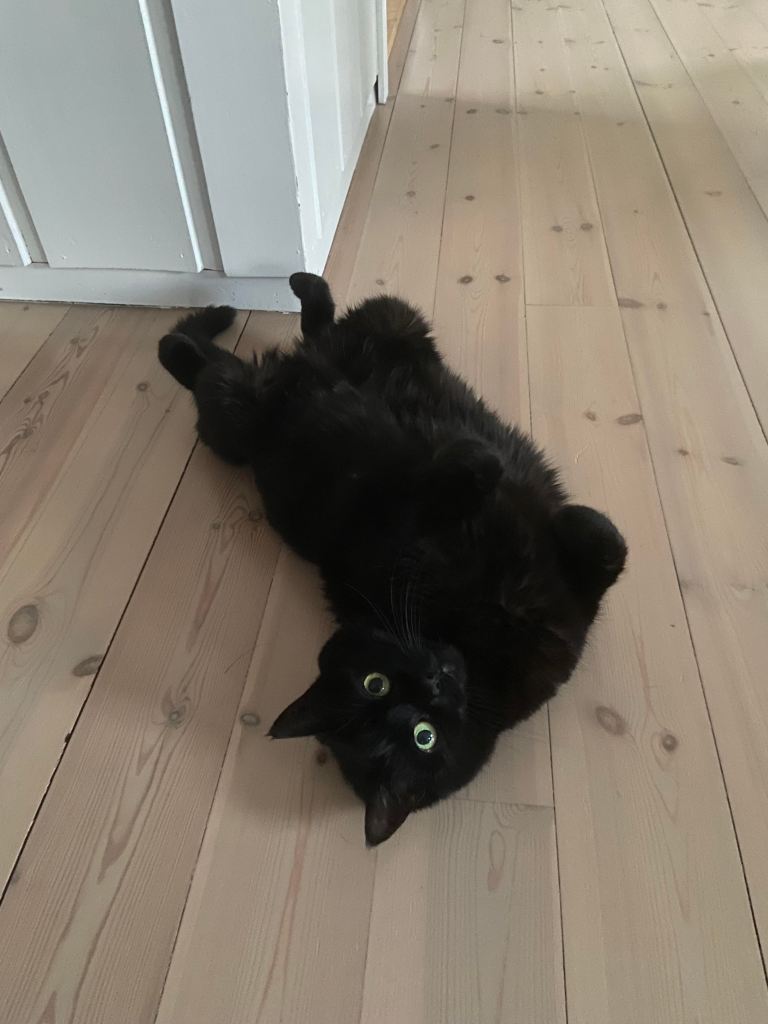
But I have a good life. A great life, even. I come from a close-knit, loving family, and I have an amazing husband and wonderful friends, even a black cat named Luci who adores me (a fine antidote to Churchill’s black dog). I find the most joy in the simplest things and I am filled with gratitude for everything. I love good food and a good laugh. I have had had many good periods, and I am happy. Even though I’m at times very depressed.
It’s a nonsensical paradox to those who have never struggled in this way. But it’s a paradoxical life made possible through that mysterious, terrible, and wonderful drug we call the SSRI.
And, above all, through Mom.
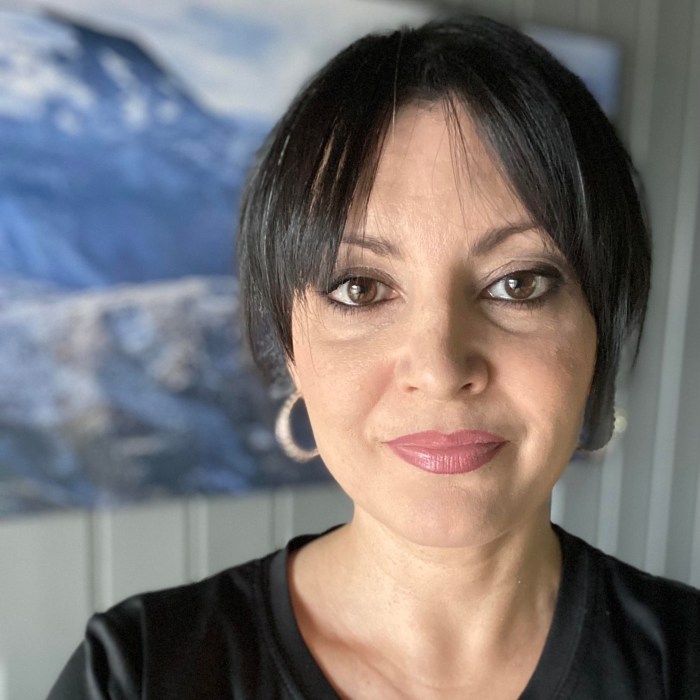
Claudia Fox Reppen is an editor, writer, and cleaner interested in exploring the many nuances of complex issues and preserving freedom of expression through the written word. Born and raised in Sarnia, Ontario, Canada, she moved to Ringsaker, Norway, in 2002, where she currently resides. In 2023, in a transatlantic effort with her brother, she published Following the Echoes: The Quest to Uncover a True Wartime Story of Love, Loss, and Legacy. Claudia enjoys listening to music and long-form discussion podcasts, reading, cooking, running, and cross-country skiing with her husband.

 Claudia Fox Reppen